Environmental Protection

Preventive medicine aims to reduce the incidence of disease before it occurs through health promotion, risk reduction, and early intervention. Increasingly, environmental protection is recognised as a fundamental component of preventive medicine because environmental conditions directly influence human health. Clean air, safe drinking water, healthy ecosystems, and a stable climate are essential determinants of health (World Health Organization [WHO], 2024a).
Environmental degradation contributes significantly to the global burden of disease, making environmental protection one of the most effective long-term public health interventions (Prüss-Ustün et al., 2016).
The concept of environmental health emphasises that preventing pollution and conserving natural resources are not solely environmental objectives but also critical strategies for preventing chronic diseases, infectious diseases, and injuries. Consequently, environmental protection has become an integral part of sustainable healthcare and public health policy worldwide (WHO, 2024b).
The Relationship Between Environment and Preventive Medicine
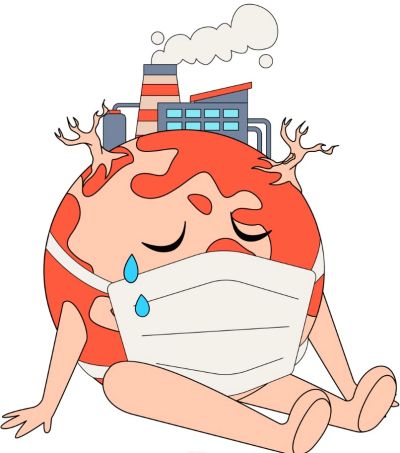
Health is influenced by a wide range of environmental determinants, including air quality, water quality, sanitation, housing conditions, climate, biodiversity, and exposure to hazardous chemicals (WHO, 2024a). Preventive medicine seeks to minimise these environmental risks before they result in illness.
The World Health Organization estimates that approximately 24% of global deaths and 23% of all disability-adjusted life years (DALYs) are attributable to preventable environmental factors. Improvements in environmental conditions have been associated with reductions in cardiovascular diseases, respiratory illnesses, gastrointestinal infections, certain cancers, and mental health disorders (WHO, 2024a).
Environmental protection therefore represents primary prevention by eliminating or reducing health hazards at their source rather than treating diseases after they develop.
Climate change is recognised by the WHO as one of the greatest threats to global public health during the twenty-first century (WHO, 2024b). Rising global temperatures increase the frequency of heat-related illnesses, dehydration, cardiovascular complications, and mortality, particularly among older adults and individuals with chronic diseases.
Extreme weather events—including floods, droughts, wildfires, and storms—disrupt healthcare systems, damage infrastructure, reduce food production, and increase the risk of malnutrition and displacement. Climate change also alters the geographical distribution of disease vectors, contributing to the spread of malaria, dengue fever, Lyme disease, and other vector-borne diseases into previously unaffected regions (WHO, 2024b).
Air Pollution
Air pollution remains one of the leading environmental causes of premature mortality worldwide. According to the World Health Organization, approximately 7 million premature deaths annually are associated with exposure to outdoor and household air pollution (WHO, 2024c).
Fine particulate matter (PM2.5), nitrogen dioxide, sulphur dioxide, and ground-level ozone increase the risk of coronary heart disease, stroke, chronic obstructive pulmonary disease (COPD), asthma, lung cancer, and adverse pregnancy outcomes (UNEP, 2024). Children, older adults, and individuals with pre-existing respiratory conditions are particularly vulnerable.
Reducing fossil fuel combustion, promoting renewable energy, and improving public transportation are among the most effective preventive strategies.
Water Quality and Sanitation
Access to clean water and adequate sanitation remains fundamental to disease prevention. Contaminated drinking water contributes to diarrhoeal diseases, cholera, typhoid fever, hepatitis A, and parasitic infections, particularly in low-resource settings (WHO, 2024a).
Industrial pollution, agricultural runoff containing pesticides and fertilisers, and inadequate wastewater treatment continue to threaten freshwater ecosystems and public health. Investment in water infrastructure and sanitation significantly reduces infectious disease transmission.
Biodiversity Loss
Healthy ecosystems provide numerous ecosystem services, including clean water, food production, pollination, climate regulation, and disease control (United Nations, 2024). Deforestation, habitat destruction, and biodiversity loss increase interactions between humans and wildlife, thereby
increasing the likelihood of zoonotic disease emergence.
The COVID-19 pandemic highlighted the importance of maintaining ecosystem integrity to reduce future pandemic risks.
Environmental Protection at the Community Level
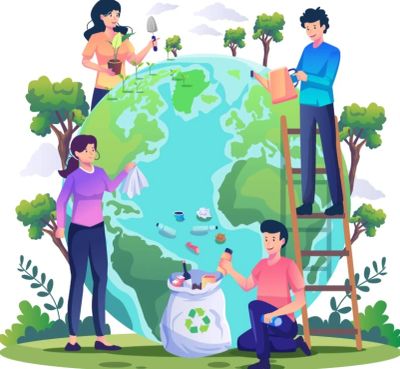
While environmental challenges are global, many preventive actions occur within local communities.
Green Urban Planning
Urban green spaces, including parks, forests, gardens, and green corridors, improve physical and mental health by reducing air pollution, lowering urban temperatures, encouraging physical activity, and decreasing psychological stress (WHO Europe, 2024).
Sustainable Waste Management
Effective recycling programmes, composting, safe disposal of hazardous waste, and reductions in single-use plastics minimise environmental contamination while reducing disease risks associated with waste accumulation.
Sustainable Transportation
Communities that encourage walking, cycling, and public transportation experience lower greenhouse gas emissions, improved air quality, reduced traffic injuries, and higher levels of physical activity. These changes contribute to lower rates of obesity, hypertension, diabetes, and cardiovascular disease.
Community Education
Health promotion campaigns play an essential role in preventive medicine by encouraging environmentally responsible behaviours such as conserving water, reducing household energy use, recycling, limiting plastic consumption, and supporting sustainable food systems. Public participation strengthens community resilience and environmental stewardship.
Immediate and actionable steps

Protecting environmental health requires coordinated action across governments, healthcare systems, educational institutions, businesses, and communities.
Governments should strengthen environmental legislation, invest in renewable energy, improve waste and water management systems, and incorporate health impact assessments into environmental policies.
Healthcare professionals should integrate environmental health education into preventive care and advocate for environmentally sustainable healthcare practices.
Educational institutions should promote environmental literacy, while communities should support recycling initiatives, active transportation, tree planting, biodiversity conservation, and responsible consumption.
International collaboration remains essential because environmental pollution, climate change, biodiversity loss, and emerging infectious diseases transcend national borders.
Environmental protection has become one of the most effective and comprehensive forms of preventive medicine. Healthy environments reduce disease risks, improve quality of life, strengthen resilience to climate change, and support sustainable development. Scientific evidence consistently demonstrates that investing in clean air, safe water, biodiversity conservation, renewable energy, and sustainable communities produces substantial public health benefits.
As global environmental challenges continue to intensify, integrating environmental protection into preventive medicine is no longer optional but essential. Through coordinated global action and local community engagement, societies can prevent disease, promote health equity, and ensure healthier environments for future generations.